
As the frost thaws and the days lengthen, there is a natural urge to clear out the stagnant energy of winter and make room for new growth. For the creative professional, this transition is the perfect opportunity to learn how to use seasonal renewal to refresh your writing by intentionally stepping away from the digital noise.
To master this, we will break down five tactical pillars of the “Analog Rebellion.” From the sovereign draft to the science of Chronobiological Drafting, we’ll explore how to use seasonal renewal to refresh your writing, and effectively “spring clean” your creative process.
Analog Rebellion
Your story is a garden, not a hard drive. Stop optimizing and start growing. Winter is for the digital grind, while spring is for tactile growth. By moving the first 80% of your ideation offline—using notebooks or index cards—you bypass “predictive text brain” and ensure your story’s DNA is 100% human.
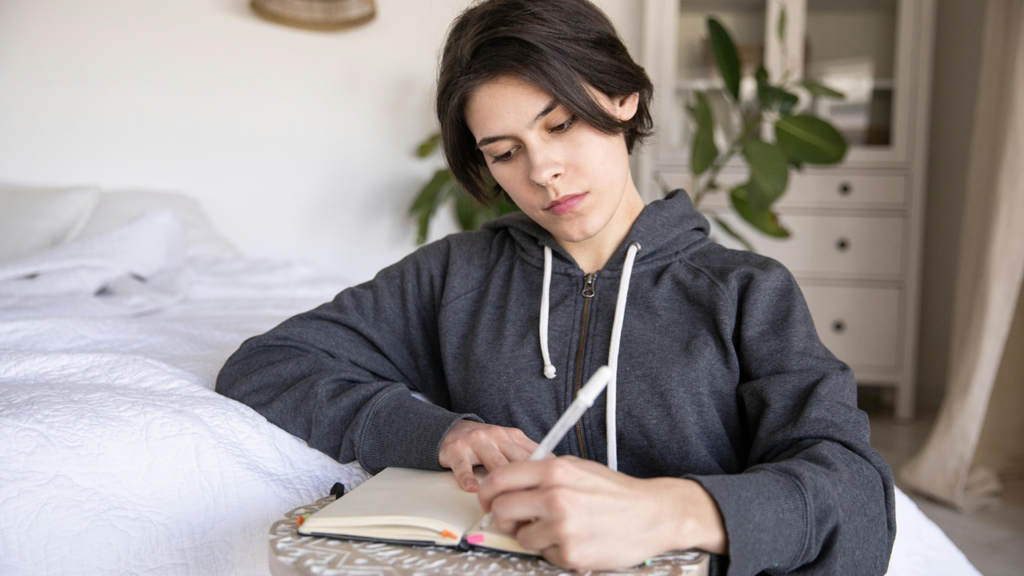
The 80/20 rule is a defensive maneuver against the algorithmic drift. This limits the time you spend in front of a blinking cursor. When you write on a screen, you are constantly interrupted by the urge to edit. By moving your initial world-building into a physical notebook, you reclaim your “Sovereign Draft”—the raw, unfiltered version of your story that hasn’t been smoothed over by digital tools.
In this season of renewal, the act of putting pen to paper mirrors the slow, deliberate emergence of new growth. It forces you to sit with your ideas longer. This allows your story to feel grounded and visceral, carrying the actual weight of the hand that wrote it.
Somatic Pacing
Stuck in a scene? Put your body in motion.Movement translates to metaphor. Somatic Pacing involves walking at the literal tempo of your protagonist’s journey to shake a block loose by grounding it in physical reality.

Somatic pacing treats your body as the primary writing tool. If you find yourself stuck on a high-stakes action sequence, sitting in a chair is the worst thing you can do. By taking your story outside and physically matching your stride to your character’s movement, you bypass the analytical writer’s block and tap into a more primal, instinctual form of storytelling.
This technique is especially potent in the spring, where the changing environment provides a rich sensory backdrop for your “Movement-to-Metaphor” practice. It turns a static writing session into a physical exploration, making the final prose feel more kinetic and alive.
Biophilic Workplace
Bring the outside in. Your desk shouldn’t feel like a cage.Your environment dictates your flow state. Integrating biophilic elements like natural light, plants, or stone, lowers cortisol levels and signals your brain to expand rather than just produce.
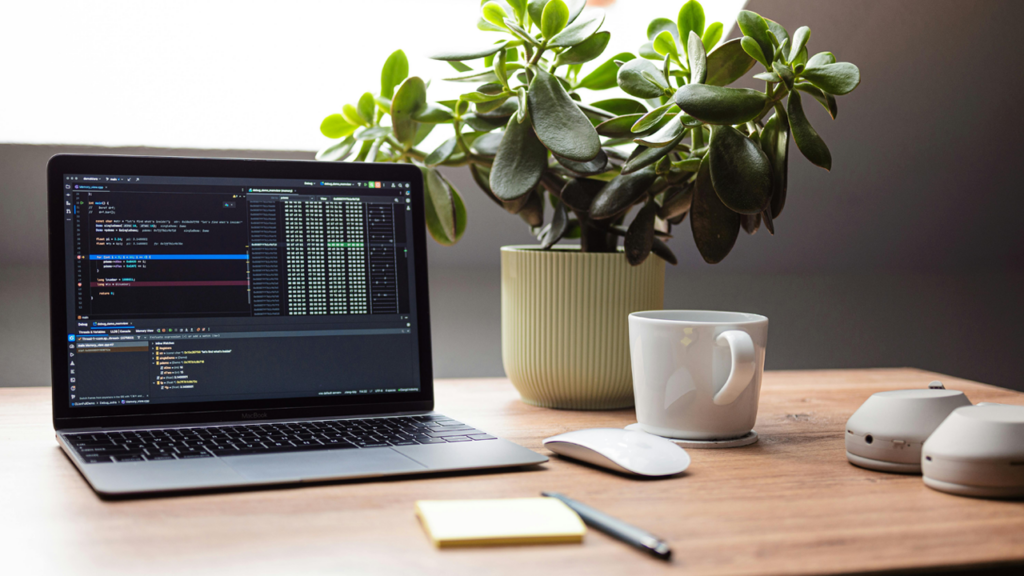
A biophilic workspace is about more than just aesthetics; it is about sensory ergonomics.” If your writing space feels like a sterile, winter-locked bunker, your prose will likely mirror that stagnation. By introducing organic textures and natural light, you create a sanctuary that encourages “Radical Hope” and expansive thinking.
Spring cleaning your desk should involve more than just dusting; it should be a curation of sensory anchors. This keeps you present in the moment, preventing the burnout from staring at a monitor for hours on end.
Input Fasting
Silence is the soil. Boredom is a luxury for the creative mind. To find radical hope, you have to clear the digital noise. Intentionally seeking out input-free moments without music or podcasts allows your internal lore to resurface and take root.

We’re currently living through an era of extreme digital saturation, where our internal voices are often drowned out by the constant stream of external data. Input fasting is the practice of intentional boredom. An example would be leaving the earbuds at home and allowing your mind to wander without a digital tether. It is in these quiet, unplugged moments that the most complex parts of your story finally have room to grow.
Think of silence as the nutrient-dense soil of your imagination. When you stop feeding your brain with the thoughts of others, it is forced to generate its own internal narrative to fill the void. This results in a level of originality that cannot be manufactured through research or AI. By fasting from input, you protect the sanctity of your story and ensure your voice remains distinct and sovereign.
Chronobiological Drafting
Follow the sun. Efficiency comes from alignment, not force. Stop fighting your internal clock. Aligning your most difficult creative tasks with your body’s natural light-sensitive cycles ensures you’re writing with your biology, not against it.
As the days lengthen, your circadian rhythms naturally shift toward earlier wake-times and higher energy peaks. Chronobiological drafting is the art of leaning into these biological surges rather than forcing a standardized 9-to-5 schedule. By writing your most complex scenes during your peak alertness window, you reduce the friction of the creative process and produce higher-quality work in less time.
Using natural light as your primary workspace regulator is a wellness essential. High-intensity morning light triggers dopamine and focus, while the soft, warm light of a sunset signalst it’s time to shift from production to reflection. When you write in alignment with the sun, you sustain your creative energy for the long haul, turning the seasonal shift into a permanent mechanical advantage for your career.
Summing it up
Mastering how to use seasonal renewal to refresh your writing isn’t just about changing your scenery; it’s about giving your nervous system the space it needs to sustain a long career. When you allow your environment to dictate your pace, you move from writing through the burnout to growing through the grace.
As you look at the world around you, ask yourself if your current routine feels like a fertile garden or a dusty hard drive. Remember that your story isn’t just built on a screen—it’s built in the moments where you allow yourself to be human, bored, and inspired by the physical world. Use this season to rebel against the digital noise and let your most authentic stories take root.
Until next time,